Analyses & Studies • Publications
Artificial Intelligence: when speed outpaces understanding

Article written by Jim Lescop, Founder and Managing Director of DecarbonEaser.
Artificial intelligence has moved, in just a few years, from a specialist topic to a boardroom priority. Strategy decks mention it, budgets are allocated to it, and tools are rolled out across organisations at remarkable speed. For many leaders, AI now feels unavoidable: use it or fall behind. And yet, beneath the enthusiasm, an uncomfortable question remains largely unanswered: do we truly understand what we are deploying? As members of the French Chamber of Great Britain, we are uniquely positioned to observe how this technological acceleration plays out on both sides of the Channel. The patterns are trikingly similar and increasingly worrying.
From opportunity to reflex
AI undeniably offers powerful opportunities. It can support decision-making, automate repetitive tasks, improve forecasting, and unlock new forms of creativity. Few would argue against its potential. The issue lies not in whether AI can be useful, but in how it is being adopted. In many organisations, AI has become a reflex rather than a considered choice. Tools are introduced because competitors are using them, because employees are experimenting on their own or because a vendor promises rapid gains in productivity. The result is often a patchwork of AI uses poorly understood, weakly governed and insufficiently questioned. This rush creates a dangerous illusion: that deploying AI is primarily a technical or operational decision. In reality, it is a strategic, legal, social and ethical one.
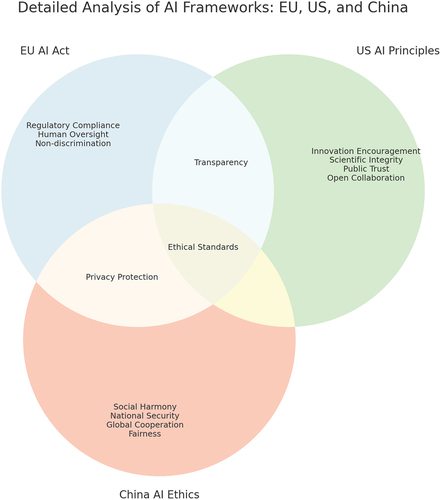
3 blocks, 3 different approaches to ethics
Risks hidden in plain sight
AI systems are not neutral. They are trained on data, designed by humans, and embedded in organisational contexts. When leaders adopt them without a clear understanding of their limitations, several risks emerge:
- Decision opacity: many AI systems cannot clearly explain how they reach conclusions, making accountability difficult when things go wrong.
- Bias and discrimination: historical data often reflects existing inequalities, which AI can reproduce or even amplify.
- Legal exposure: data protection, intellectual property and liability questions remain complex and evolving, particularly across jurisdictions.
- Over-reliance: when automation replaces judgement too quickly, critical thinking erodes rather than improves.
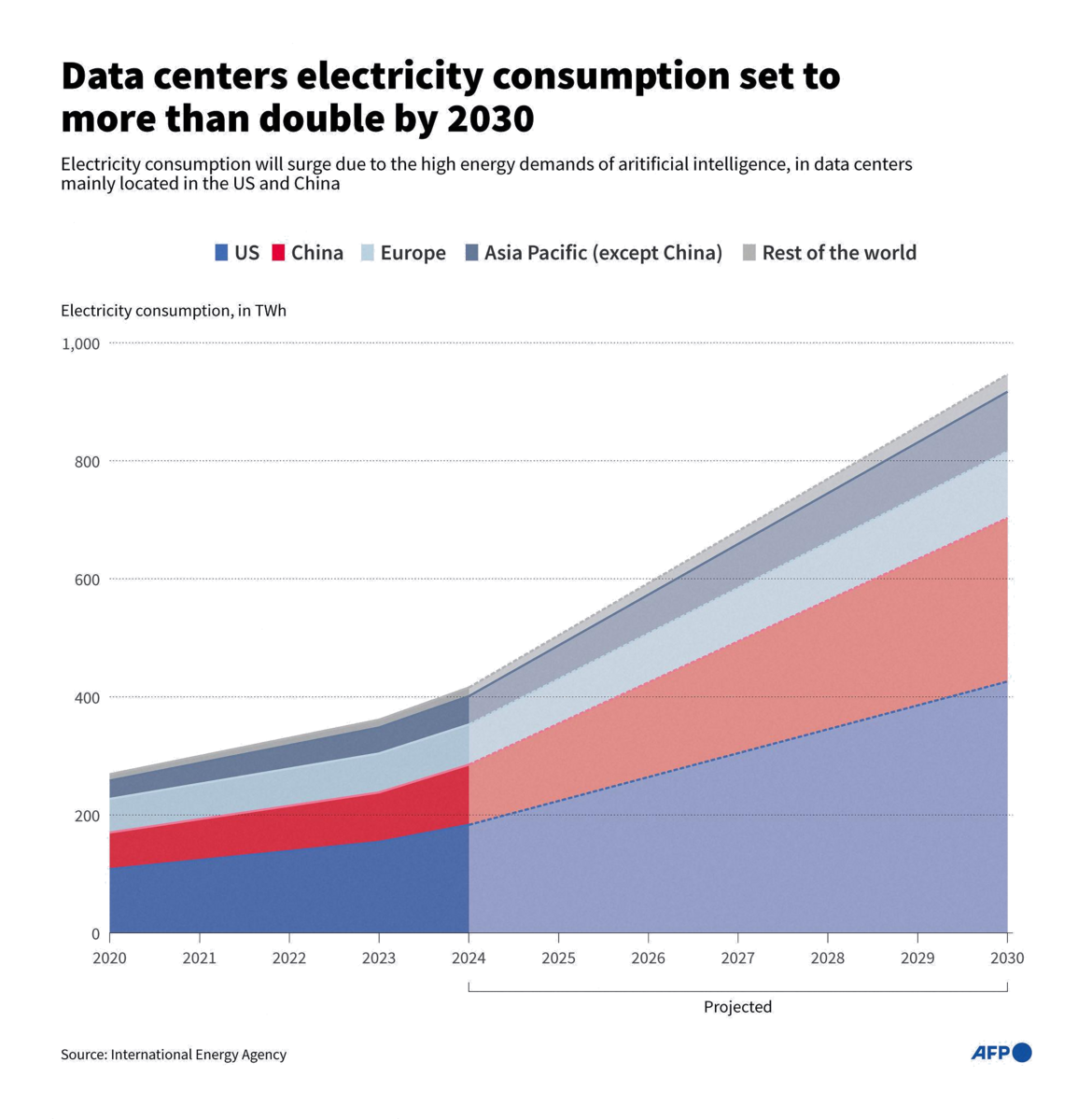
- Environmental impact: large models consume significant computational resources, a cost often absent from strategic discussions.
Regulation is coming but culture matters more
In Europe, regulatory frameworks such as the forthcoming AI regulations signal a clear intention: AI must be deployed responsibly. This is a necessary step, but regulation alone will not solve the problem.Compliance does not equal understanding. Organisations that treat AI governance as a box-ticking exercise risk missing the deeper challenge: building genuine AI literacy among leaders and teams. Without this, rules are applied mechanically and tools continue to shape behaviour in ways no one fully anticipates.
Slowing down to move forward
Paradoxically, the most mature organisations are often those willing to slow down. They ask fundamental questions before scaling AI use:
- What problem are we really trying to solve?
- Which decisions should never be delegated to an algorithm?
- What new risks does this tool introduce, and who owns them?
- How do we ensure humans remain accountable
- This reflective approach is not anti-innovation. On the contrary, it is what allows innovation to endure.
A leadership responsibility
AI is not just another digital tool. It reshapes power, responsibility and trust inside organisations. Treating it as a simple productivity lever is a strategic mistake. At a time when enthusiasm is high and fear of missing out widespread, leadership calls for something less fashionable but far more valuable: discernment. The real competitive advantage will not belong to those who adopt AI the fastest, but to those who adopt it with clarity, humility and responsibility.
DecarbonEaser provides sustainability training designed to empower businesses to take meaningful climate action. Through interactive ESG workshops and recognised programmes such as Climate Fresk and The Carbon Literacy Project, DecarbonEaser helps organisations build knowledge, collaboration and leadership around sustainability. By combining education with practical tools, DecarbonEaser supports businesses in embedding climate- and nature-positive measures into their wider corporate social responsibility strategies.